A 360 camera that lets beginners focus on the adventure, not the editing.
The first time I fixed the new DJI Osmo 360 II to my bike and headed down a gravel track, I wasn’t totally sure what I was doing.
I’d spent a limited time with action cameras in the past, mounting them to my kayak and pointing them roughly where the action was (and often ending up with a lot of raw footage, 75 per cent of which I never used). But the idea of a 360 camera felt different, more complicated, the kind of tech that requires endless YouTube tutorials to master.
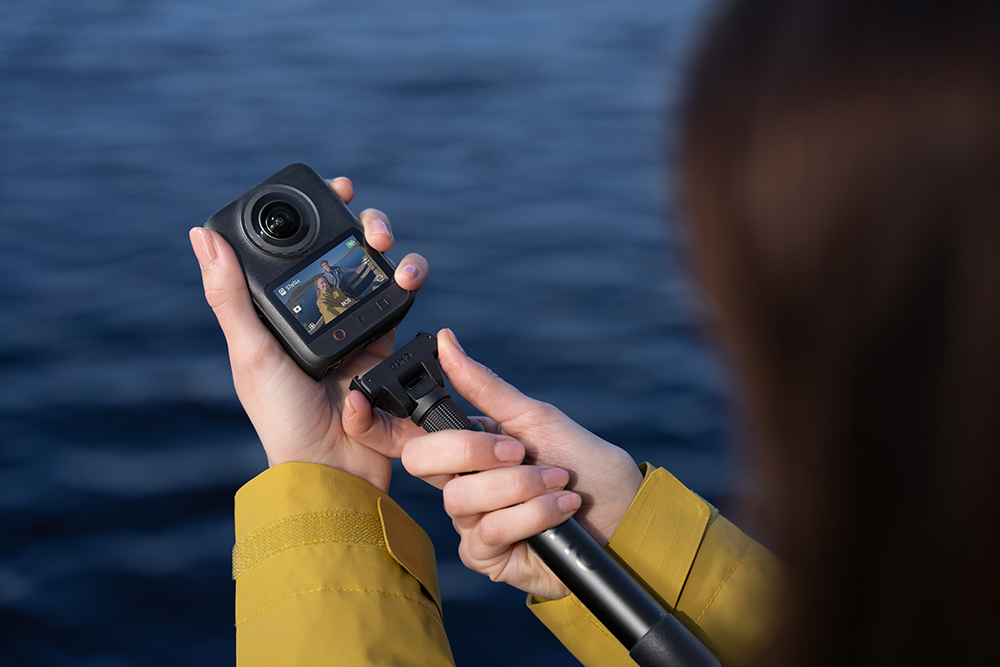
Instead, after reviewing the footage from my first ride, I found myself with a surplus of useable clips and stills. Without trying very hard, I had captured a universe of perspectives, any one of which I could quickly turn into a clip or combine and recombine in any number of ways.
That’s why the Osmo 360 II is ideal for “set it and forget it” shooters like myself. I needed to remind myself that it records everything and I don’t have to reposition it.
For all the technology packed into its diminutive frame, this is a camera that will do its thing with just one or two menu swipes. So you can stop worrying about where you’re pointing the lens and focus on why you brought a camera in the first place: to capture your surroundings and recreate your experience to share with others.
Capturing WAY More Than the Trail Ahead
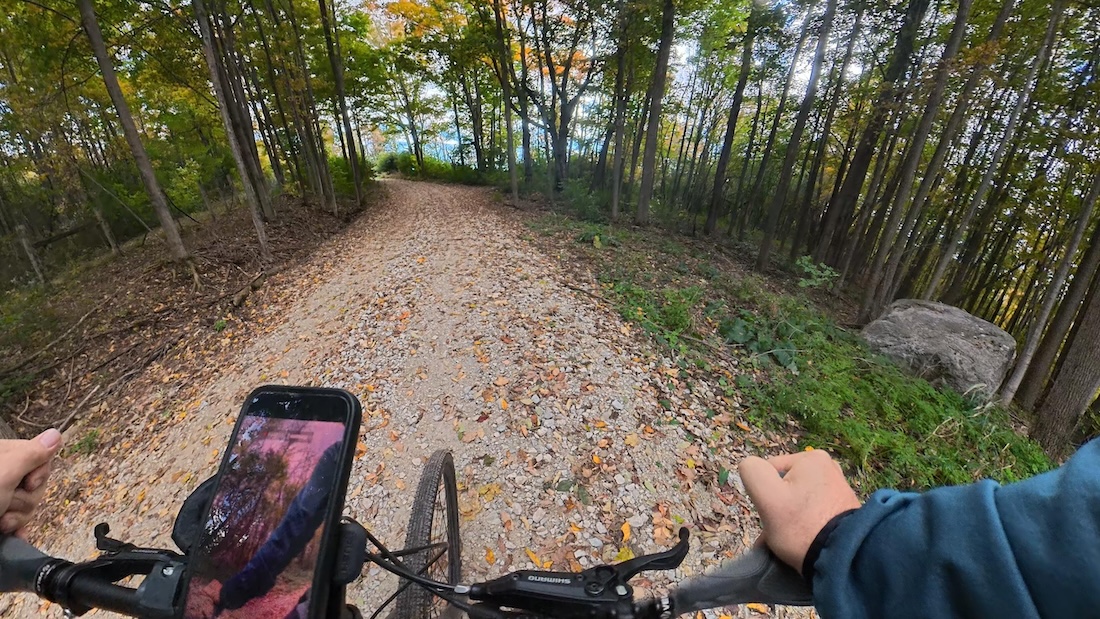
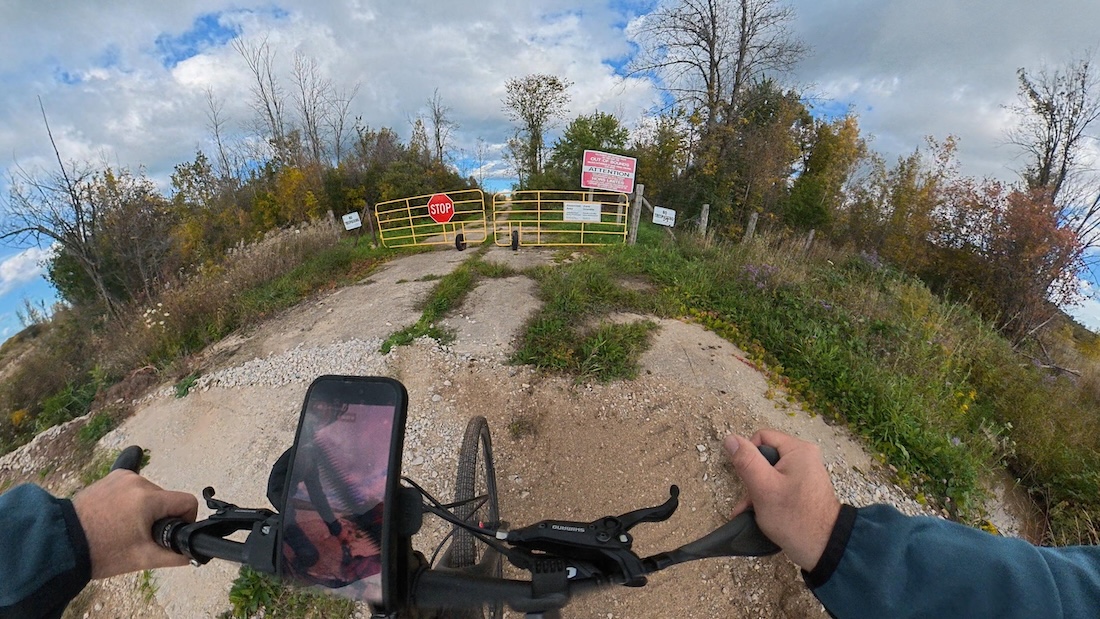
With traditional action cameras, you need to make choices to point in one direction or another. With the Osmo 360 II, those strictures no longer apply. By recording everything around you, the camera captures the full experience rather than a narrow slice of it: the rocky singletrack ahead, the forest slipping past on either side, your riding partner tucked in behind your wheel, and plenty of additional details you won’t see until post.
The result? You can preserve experiences literally in the round. During the first few rides and paddles, I found myself checking the camera far less often than I would with a conventional action camera. There was no need to constantly stop and adjust the angle or wonder if I was missing something. Whether the camera was mounted on my bike handlebars, the Action Chest Strap or on a selfie stick, I knew it was recording everything.
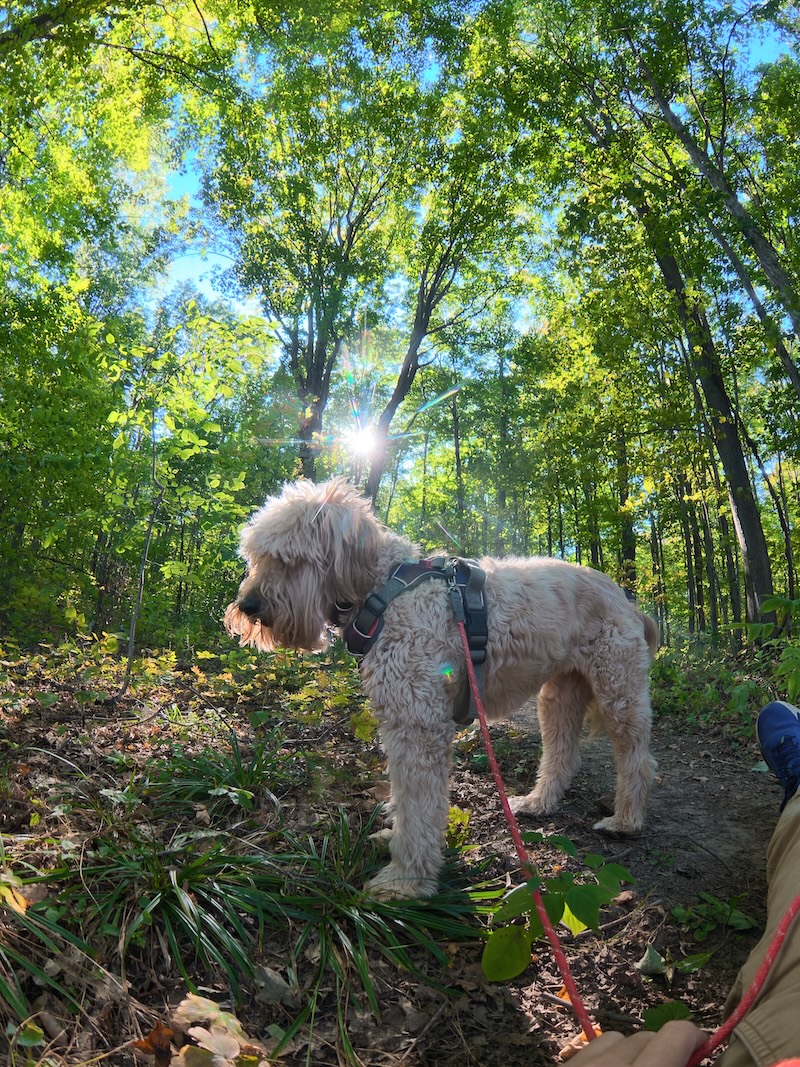
There was no need to constantly stop and adjust the angle or wonder whether I was missing something. I knew the camera was recording it all.
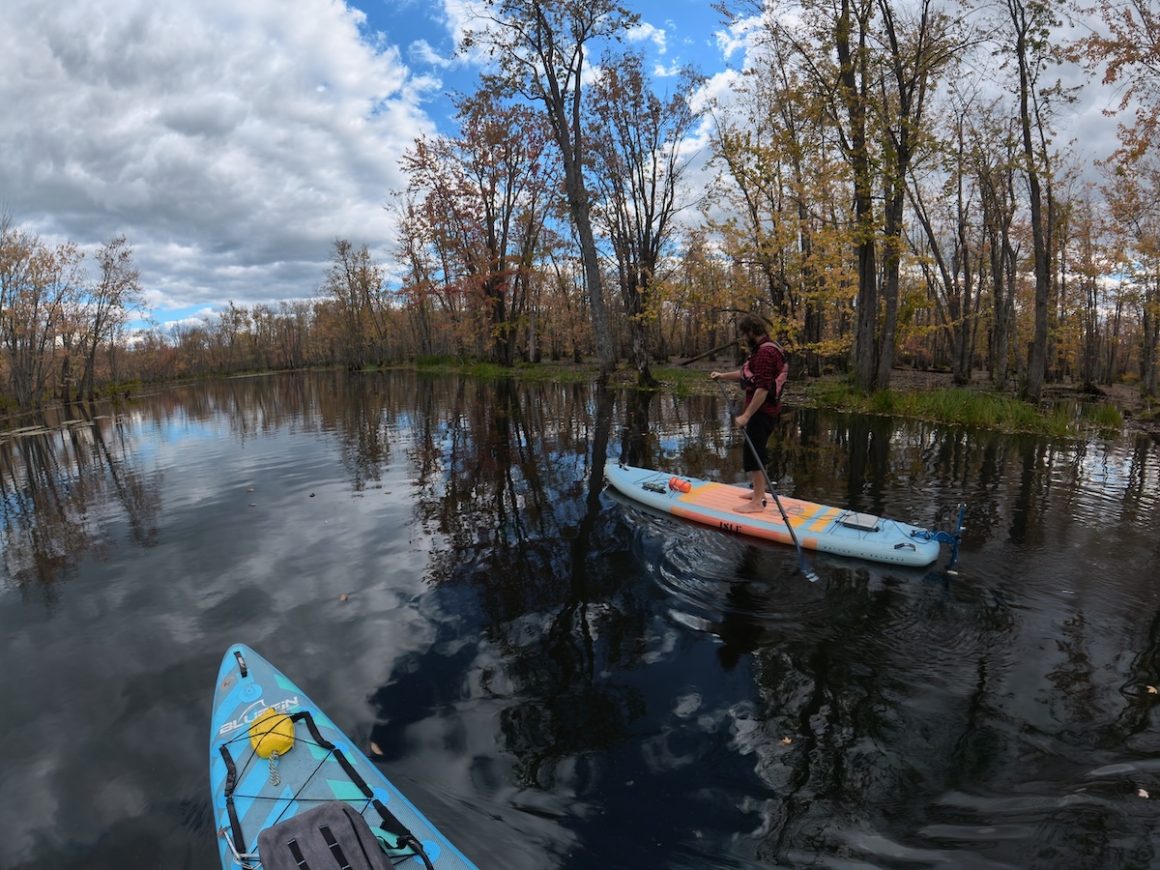
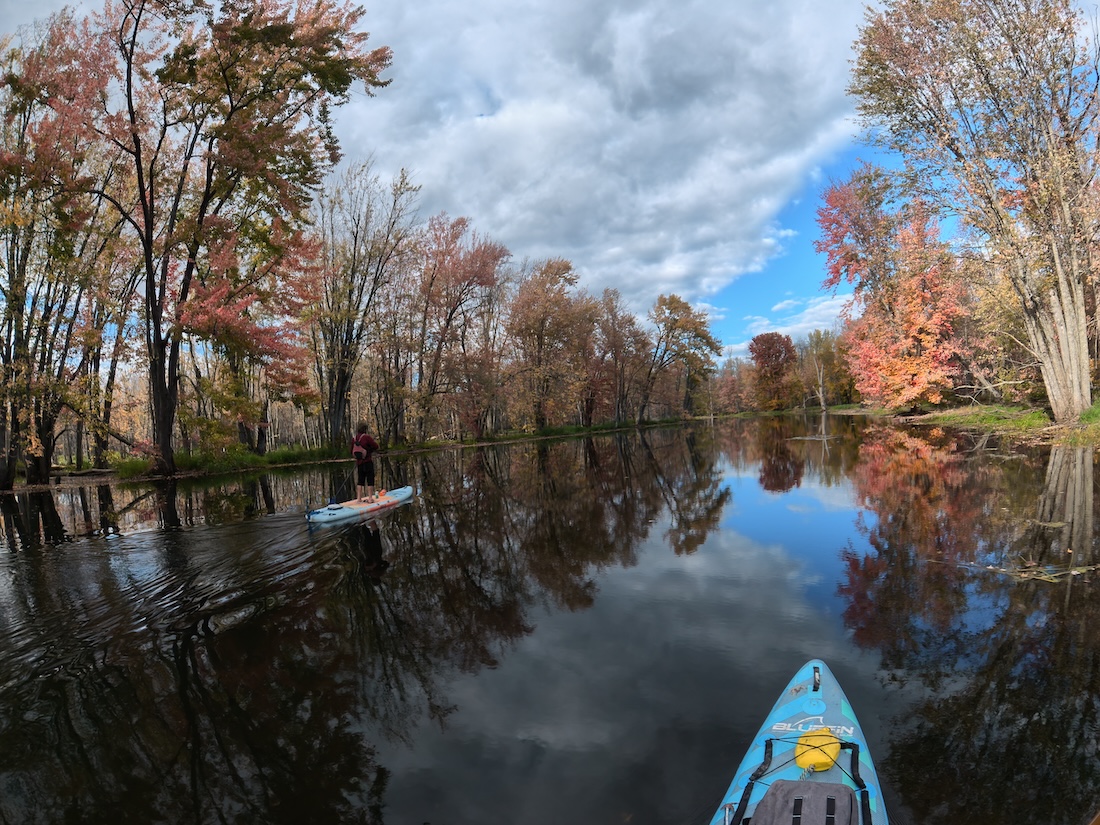
The 360 Advantage
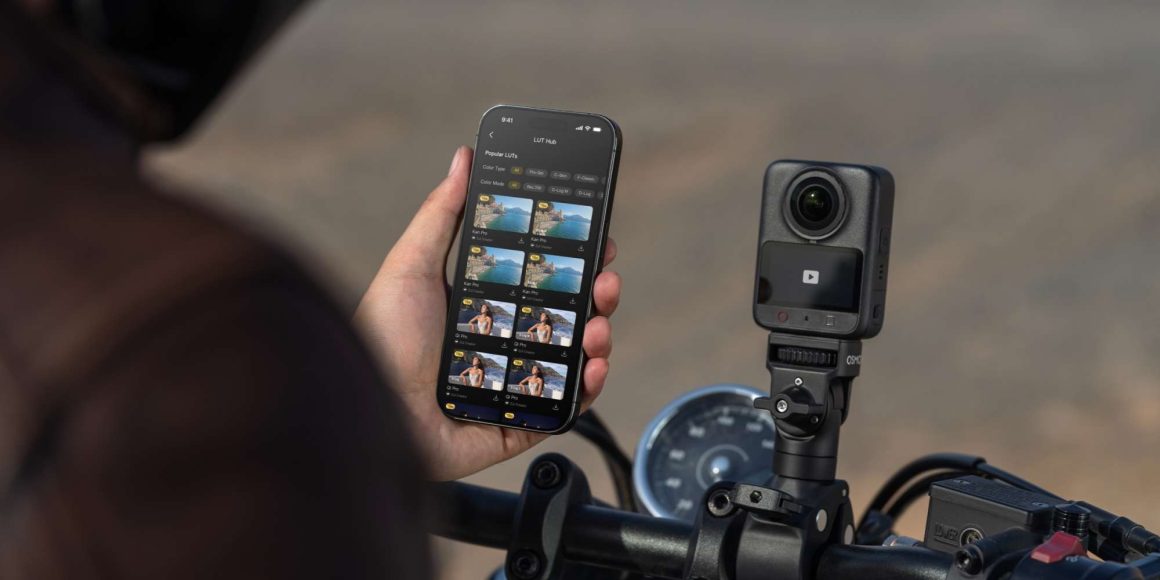
Of course, capturing everything can create its own challenges. What do you do with all that footage? Luckily, DJI’s Mimo app does much of the heavy lifting. I watched a five-minute YouTube tutorial for the basics. And you’re starting with more ready-made options before editing: Subjects can be tracked automatically, and perspectives can be changed in real time with a swipe of a finger. And then you can make shareable clips with very little editing.
As someone new to 360 video, I expected to spend a week figuring everything out. Instead, I was producing quality content in the first hour of use. And the Mimo app makes experimenting fun rather than frustrating. As an amateur shooter in my fifties, video editing has never felt intuitive to me. But the Mimo app proved to be fairly intuitive and amateur-friendly.
A New Perspective on the Familiar
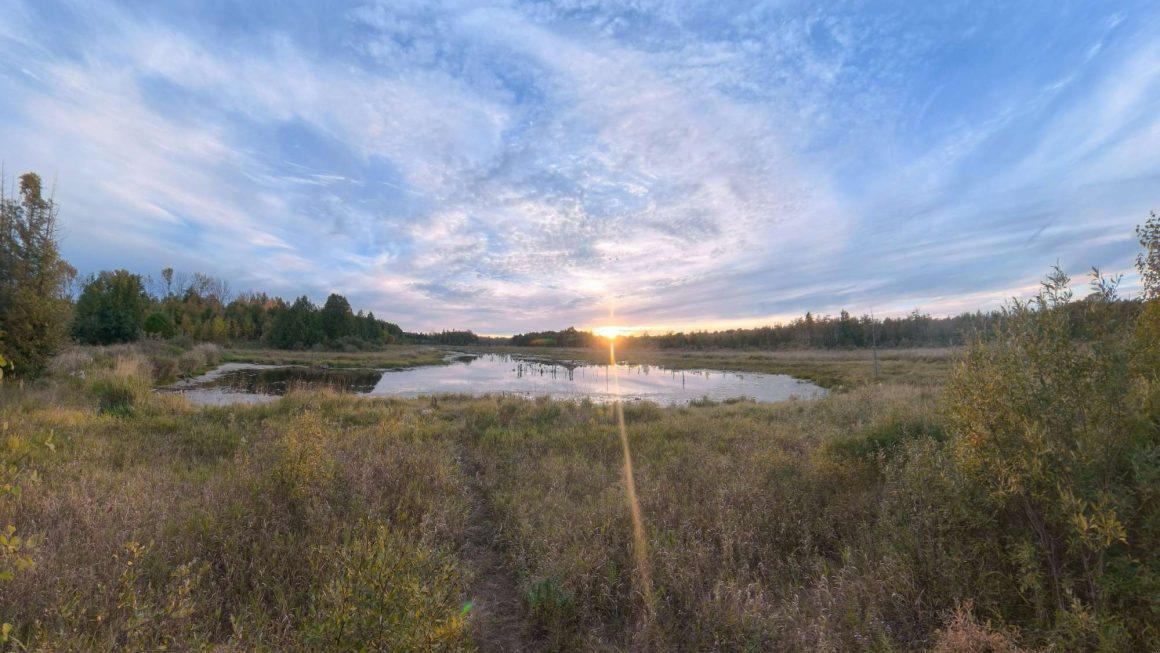
What surprised me most wasn’t the technology exactly, but how the captures infused familiar landscapes with a fresh perspective. Trails I’ve ridden dozens of times suddenly looked more dynamic. Forests and vistas were more immersive, and townscapes presented new canvases.
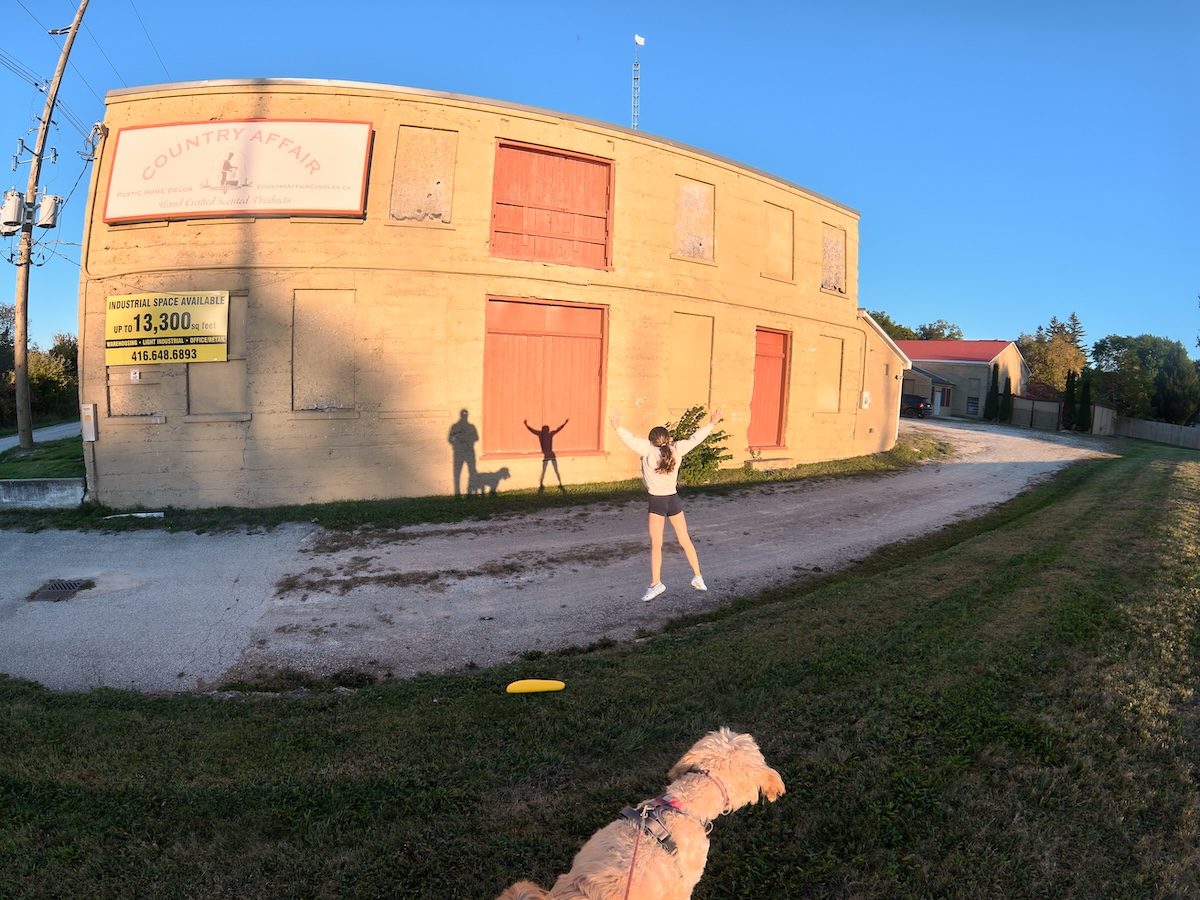
The invisible selfie-stick effect helps enliven these effects. The camera digitally removes the stick from the footage, creating a floating perspective that looks as though another rider or a drone is following along and adding an instant cinematic quality. And it allows solo adventurers to create content that would otherwise require another person behind the lens.
Check out ML Contributing Editor and filmmaker Scott Parent’s first surf with the DJI Osmo 360 II:
Built for Actual-World Use
The Osmo 360 II is also designed by people who understand how outdoor gear is used (and occasionally misused). At 183 grams, it disappears easily into a pack pocket. Battery life is sufficient for long rides, hikes and days exploring. The spacious built-in storage means one less thing to remember when you’re rushing out the door.
Perhaps the most significant update of the 360 II is the user-replaceable lens system. The bulbous lenses on 360 cameras have always seemed vulnerable, particularly for mountain bikers, skiers and paddlers who aren’t exactly gentle on equipment. But now a damaged lens doesn’t mean replacing the entire camera. This will definitely relieve some stress when you’re out on your knockabout adventures.
360 Approachability
The DJI Osmo 360 II delivers impressive image quality and enough tech capability to satisfy serious full-time creators. But this is also a camera for people who have looked at 360 content and assumed it was a level above their capabilities. It’s for riders, runners, hikers, paddlers and skiers who want to capture more of their adventures without turning every outing into a heavy-duty, time-sucking film production.
I’m still learning what a 360 camera can do. I still haven’t explored every editing feature or creative possibility. But after a few weeks with the Osmo 360 II, I’ve stopped worrying about each video capture. I just bring it along on pretty much every outing and let it work its all-encompassing magic. –Ned Morgan
DJI OSMO 360 II: SELECT FEATURES
Shoot first, frame later. The Osmo 360 II captures 360-degree video at up to 8K/60fps HDR, recording the scene in every direction. Reframe the footage afterward to choose the angle, whether you’re following a mountain bike down singletrack or taking in a panoramic view from the summit.
A little help from AI. DJI’s Mimo app simplifies editing with automatic editing tools and Spotlight Follow, which keeps a chosen subject centred in the finished video. Beginners can create shareable clips without professional editing software.
The invisible selfie stick. Pair the camera with a compatible selfie stick and DJI’s processing removes it from the footage, creating floating, drone-like perspectives without an actual drone.
Better footage after dark. AI SuperNight 2.0 helps reduce image noise in low-light conditions, making evening rides, campsites and late-day adventures easier to capture.
Ready for the rough stuff. The camera weighs approximately 183 grams and has scratch-resistant, replaceable lenses. It’s waterproof to 10 metres without a case and can operate in temperatures down to -20°C, making it suitable for a range of outdoor pursuits.
Storage without the scramble. With 105GB of available built-in storage, you can start shooting without purchasing a memory card. DJI rates continuous recording at up to 100 minutes at 8K/30fps under specified test conditions.
Hands-free capture. Voice and gesture controls let you start recording when reaching for a button isn’t convenient. It’s a useful option when the camera is mounted on a bike or you’re wearing gloves.
Check out the full features of the DJI Osmo 360 II HERE.

Check the ML Podcast!