52
MLBLUE
SPRING2017
InHaidaFirstNations culture, theownershipofmemory and the right to
tell a story is passedon—the ravages of time givedominion to thepeople.To
take full ownershipof these storiesmaymean eventually allowing them todie.
Totems are inconceivably complexhistories that tell the storyof family and
connection to land.Totempreservation falls under theHaida’s interpretation
of timepassing. By leaving thepoles to endure the elements and towatch them
inevitablydecayover timeoffers respect to the artists and societies of thepast.
Rebuilding or repairing totems doesn’t acknowledge the past represented by
the condition of the pole itself.To theHaida, denying this history creates
inauthenticity. So if we choose to intervenewith theBay’s shipwrecks—
shifting anddisplacing the stories from our past—arewe offering our respect
or alleviating our societal fears of cultural decay? Perhaps we could learn to
protect the stories of the past, not just evidence of its existence.
• • •
Visits doubled toBruce PeninsulaNational Park (adjacent toFathomFive)
between 2008 and 2016. 194,000 visits ballooned to about 400,000 last year,
according to a presentationmade byBPNP superintendent JohnHaselmayer,
at ameeting lastOctober about tourismpolicy and environmental
preservation. In 2016more peoplewere turned away fromBPNP’s famed
Grotto thanwere let in—but theBruce Peninsula EnvironmentGroup is
hard at work proposing processes to accommodate tourismwhile protecting
the natural playground.
BPEGPresidentMeganMyles says the twomost popular tourist destinations
on theBruce Peninsula are the shipwrecks and theGrotto. For a sustainable
tourismplan, a code of conduct for tourists is goodplace to start, as well
as collecting data for occupancy and visitor loads tohelp evaluate the need
for beefed-up infrastructure. “The Park does limit the number of shipwreck
viewings per day,” saysMyles. “So the growthmodel is limited.”But the
role of shipwrecks in the local economy and the area’s cultural heritage is
profound. So perhaps the best way to combat inflated tourism is tomake
sacrificial lambs out of certainhigh-traffic locations in order to protect the
majority of the shoreline.
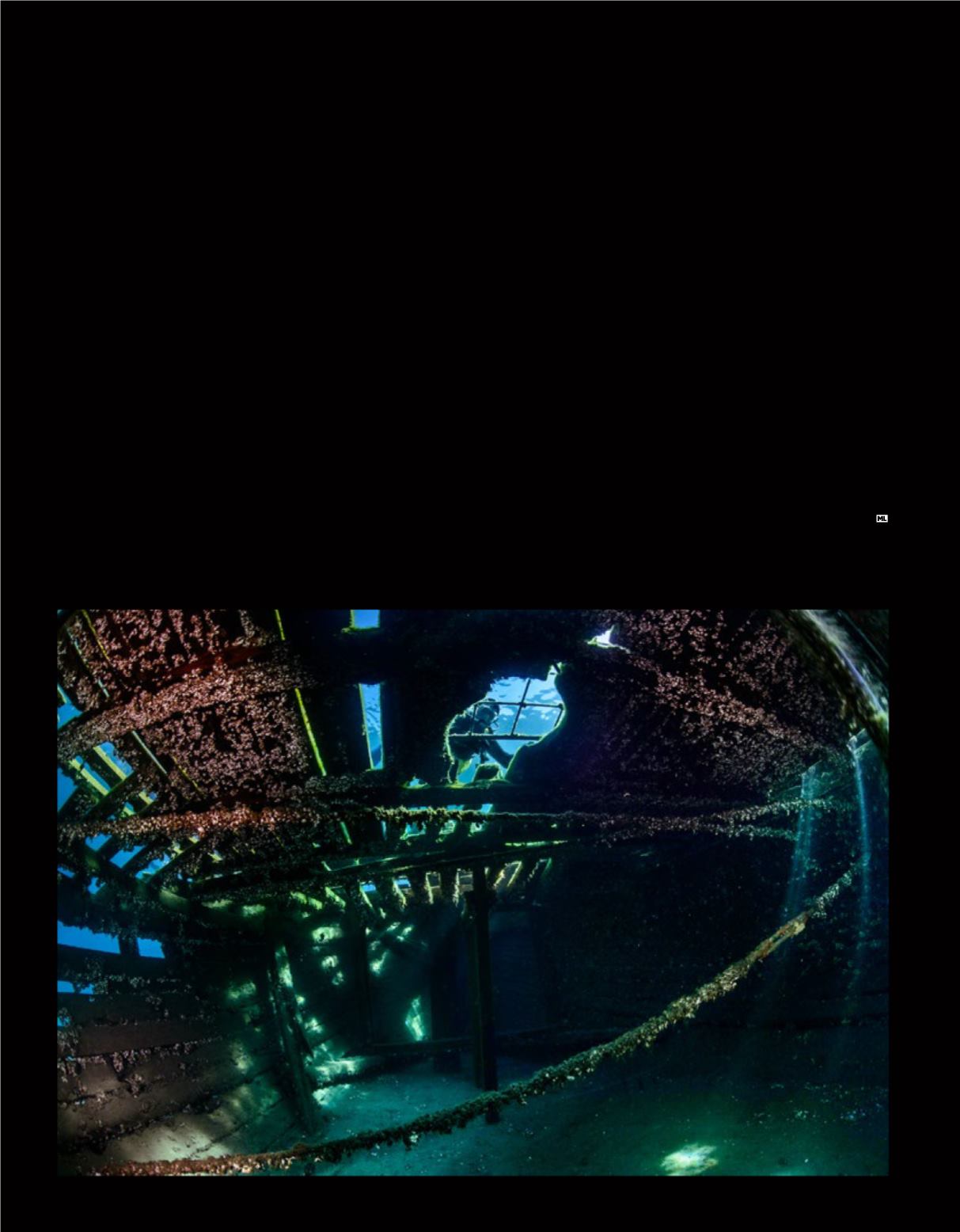
Splintered beams, rusted chains, and evidence of lives lost greet thosewho
dip below the surface, but when the day is done andwe take note of what
we’ve seen, it is apparent that the shipwrecks of theBruce needprotecting,
especially in our collectivememory. But I’d argue the ships themselves aren’t
so important.
The preservationwe need to seek is learning how to tell the stories of these
places.We share the history of our loved ones with tales of triumph, love
or anguish—thememory of their lives becomes the important part, not so
much their flesh and blood.The shipwrecks of FathomFive are just beautiful
bits of splinteredwood and they should be permitted to pass. In order to
safeguard the legacy of thesewrecks, it’s their stories we need to keep close.
ParksCanada celebrates its 150
th
anniversary this year. Admission is free
toall ParksCanada sites.


