64
MOUNTAINLIFE
WINTER /SPRING2016
“We came fromhunting and gatheringon the
savanna;moving all the time,” he says. “Andwe
were profoundly fit andhappydespite the difficult
life. I believemovement is inourDNA and is
evokedout of us in today’s context tohelpus
discharge the ‘sticky’ effects of trauma from the
nervous system.There has always been a positive
effect onour nervous system afterwe fight, flee or
freeze to save our ass, we just get there indifferent
ways now.”
One of thosenewways seems tobe through the
added stress andpressure of high-level athletic
competition.Csikszentmihalyi states that flow
happiness comes fromworking towards a difficult
andworthy goal.Howmuchmore difficult is it to
find the state of flowwhen you’re striving tobe the
best in theworld?
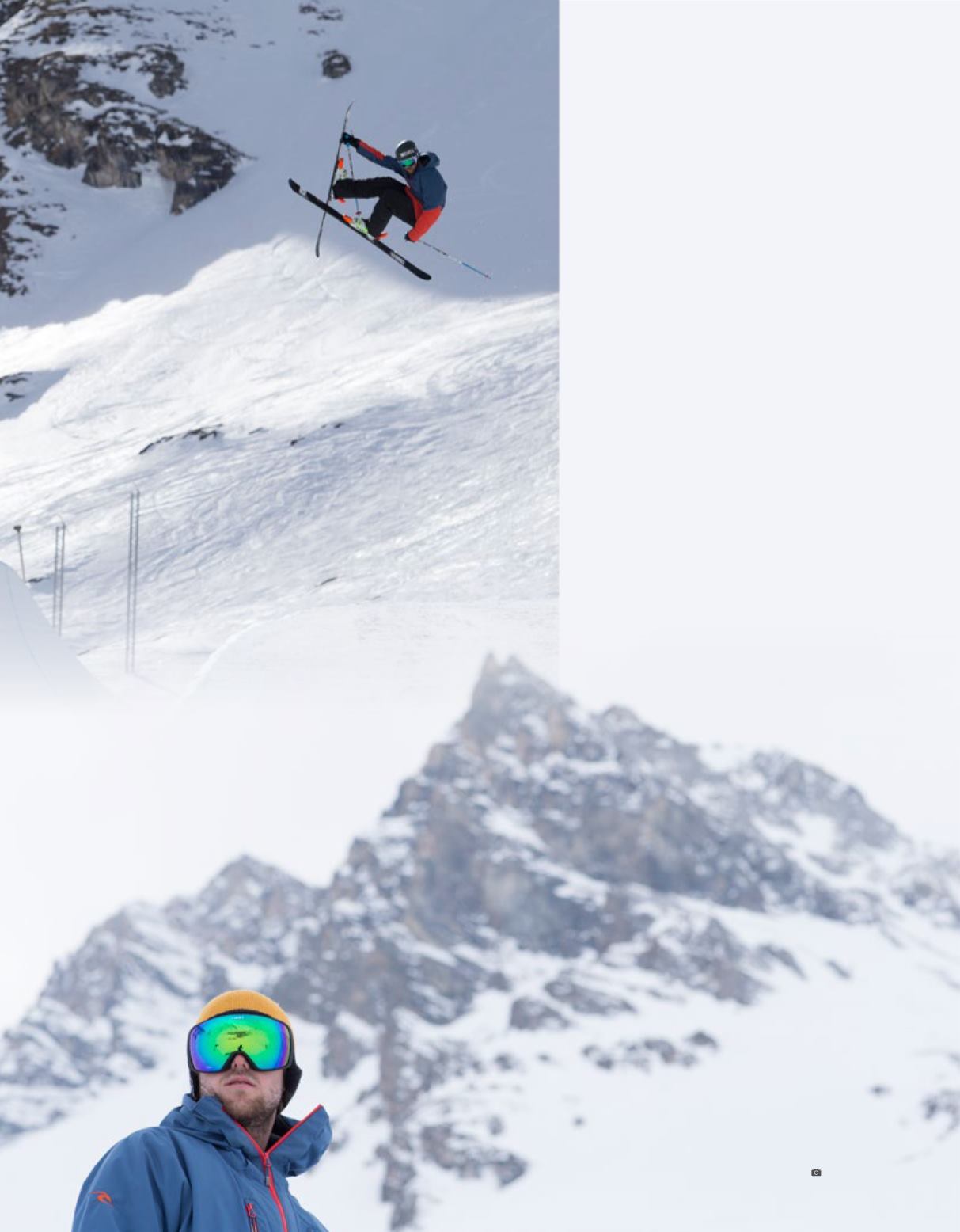
“Tobe in the zonewhen I’m competing feels
different than trainingor anything else,” says Simon
d’Artois, a24-year-oldWhistler skier and2015
X-Games SuperpipeChampion. “A lot of it is
gettingover thenerves andpressure.Once you are
moving there is no time, youhave to reactwithout
thinking andget into that tunnel vision.Tobe in
the zone like that, having funwithin that high-
pressure situation… it’s thebest thing in theworld.”
d’Artois says for him, the trick is calming themind
throughbreathing, anddevelopingpatterns or a
systemof awareness topromote triggers thatwill
helphim stay safe andhopefully, hitch a ride on
the flow state. Staying loose and in themoment
atop each run is key.
Once you are moving there is no
time, you have to react without
thinking and get into that
tunnel vision
…
it’s the best
thing in the world.
–Simon d’Artois
d’Artois in the zone. ASHLEYBARKER.


