Deep powder, steep lines, parking-lot beers and a ski culture that doesn’t need to prove a damn thing.
Words :: Robert Artspool
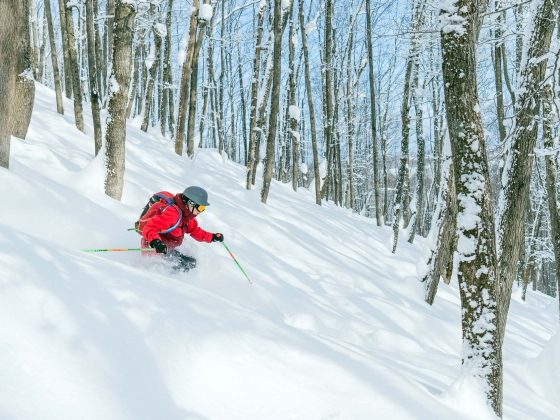
There’s a reason Utah put “The Greatest Snow on Earth” on its licence plates. I figured it was marketing bravado until I arrived in the Wasatch Mountains and discovered what happens when storms roll across the Great Salt Lake. The snow is ridiculously light. The kind that blows over your shoulders, fills your goggles and leaves you laughing halfway down the mountain out of pure glee.

Utah, it turns out, isn’t overselling it.
I started in Little Cottonwood Canyon, where Alta Ski Area keeps things refreshingly old-school. No flashy village, just steep faces, long traverses and a crowd that takes its skiing seriously.


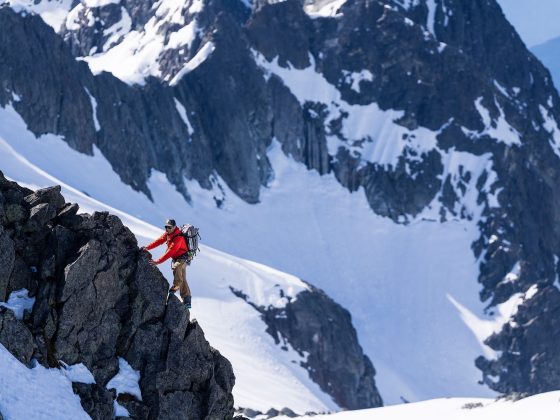
Next door in Snowbird I rode the tram to Hidden Peak, surveyed the steep chutes, wide-open bowls and seemingly endless powder and knew I was in the right place.


The snow is ridiculously light. The kind that blows over your shoulders, fills your goggles and leaves you laughing halfway down the mountain out of pure glee.
Deer Valley has a decidedly five-star approach. Its massive Expanded Excellence project has more than doubled the resort’s terrain, with the new Deer Valley East Village opening up a whole new side of the mountain. This winter, the resort is expanding to 4,500 skiable acres, including another 200 acres served by the new Hail Peak Express.


Alta averages roughly 14 metres of snow annually. Numbers like that sound absurd until you’re standing waist-deep in the stuff, trying to remember where you parked.
What struck me about Utah was how much the ski culture changes from mountain to mountain. There are hardcore locals chasing storms before sunrise, families out for the weekend and snowboarders hunting natural hits. Everyone has their own version of a perfect day.
Park City was a change of pace. The former mining town has plenty of character, with a lively Main Street full of restaurants, galleries and bars. It’s also got an enormous amount of ski terrain, making it easy to spend a few days there without repeating yourself.

Accommodation is equally varied. You can stay slopeside at Alta or Snowbird, where getting first chair is considerably easier, or settle into one of Park City’s boutique hotels or condos. Salt Lake City is another option, particularly if you’re watching your budget or want to sample a few different mountains. Be prepared: skip canyon traffic by taking the ski bus.
And Utah does après better than its reputation might suggest. I found myself swapping stories over beers at Snowbird’s Tram Club, while Salt Lake City’s craft breweries and surprisingly diverse restaurant scene offered plenty of reasons to venture off the mountain.

The other bonus? Salt Lake City’s airport is remarkably close to the mountains—within an hour of each of the above-mentioned resorts. This means you can fly in and be skiing the same afternoon.
I went to Utah for the snow. That’s still reason enough to return. But the food, the people and the sheer variety of mountains made the trip considerably more interesting than I’d expected.
And that licence plate slogan?
Bang on.

This article is presented in partnership with Visit Utah.